

At an intersection, there is a fixed hierarchy: a officer takes precedence over the traffic lights, the lights take precedence over the signs, and the signs take precedence over the regular traffic rules. The lights themselves are simple: red means stop, orange means stop unless you can no longer brake safely, and green means proceed if the road is clear.
The Three-Color Traffic Lights
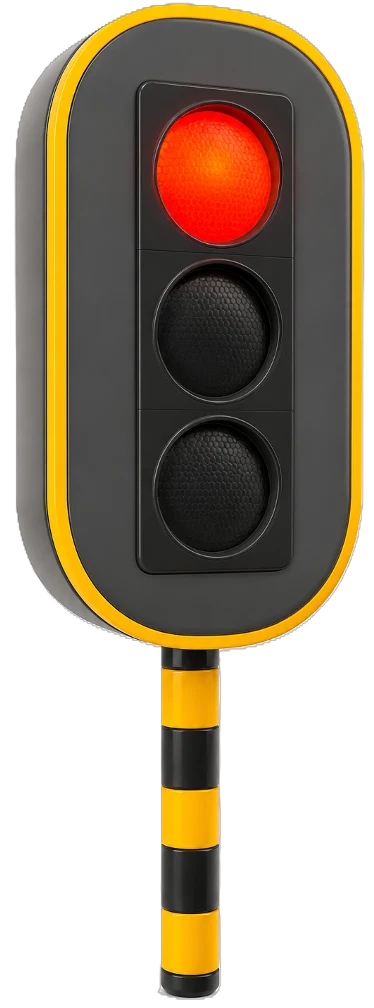
Red: you stop at the stop line, or before the light itself if there is no line. Even if the road seems clear.
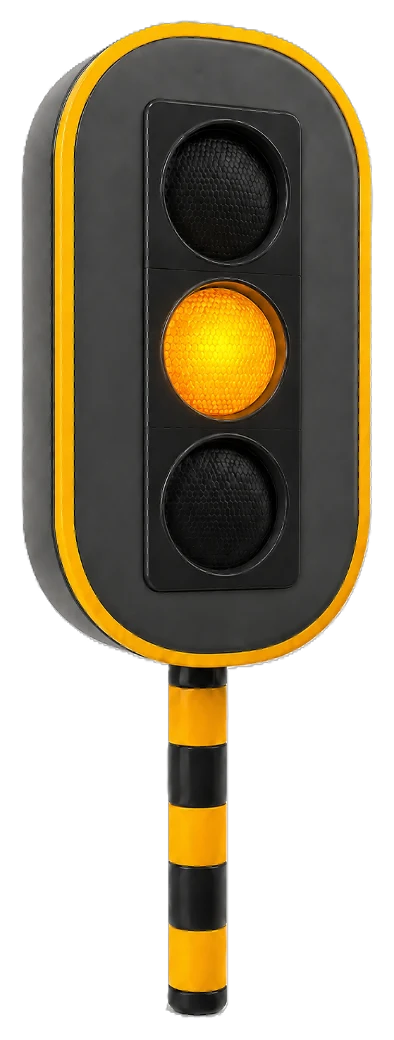
Solid orange-yellow: you stop, unless you are so close to the light that stopping safely is no longer possible. In that case, proceed cautiously without endangering others.
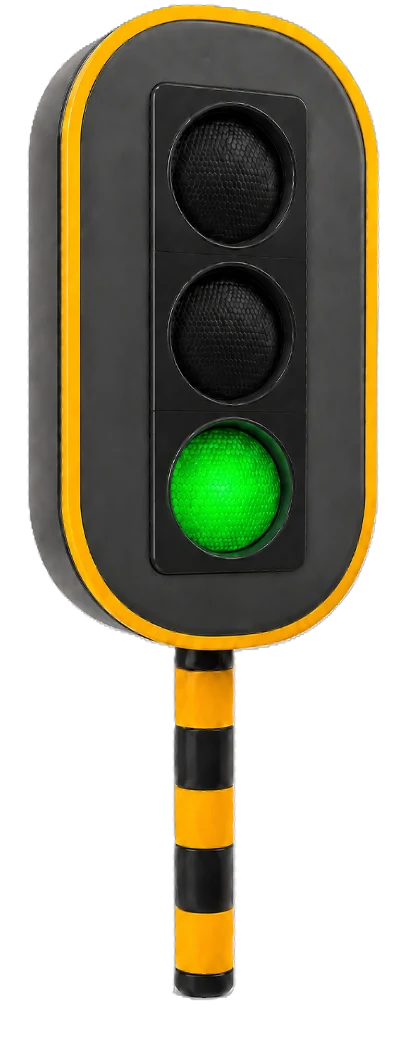
Green: you may proceed, but you must take into account pedestrians, cyclists, and traffic that is still at the intersection.
A colored arrow applies only to that direction. If a green arrow is lit next to a red light, you may drive in the direction of the arrow, provided you yield to crossing traffic. The lights are always in the same order: red on top, orange-yellow in the middle, green at the bottom.
Flashing Lights
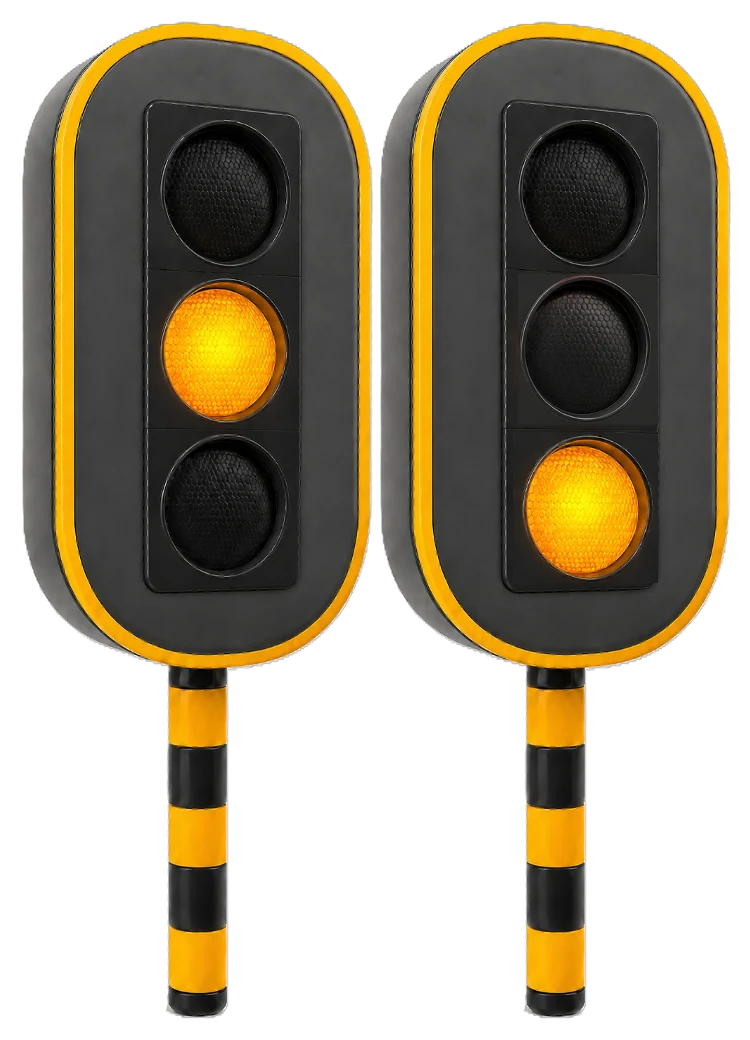
Orange-yellow flashing light: the light does not control traffic, often at night or when it is out of order. You proceed cautiously and the regular priority rules apply. Important: the priority signs still apply here. If there is no sign, then the right of way from the right applies.
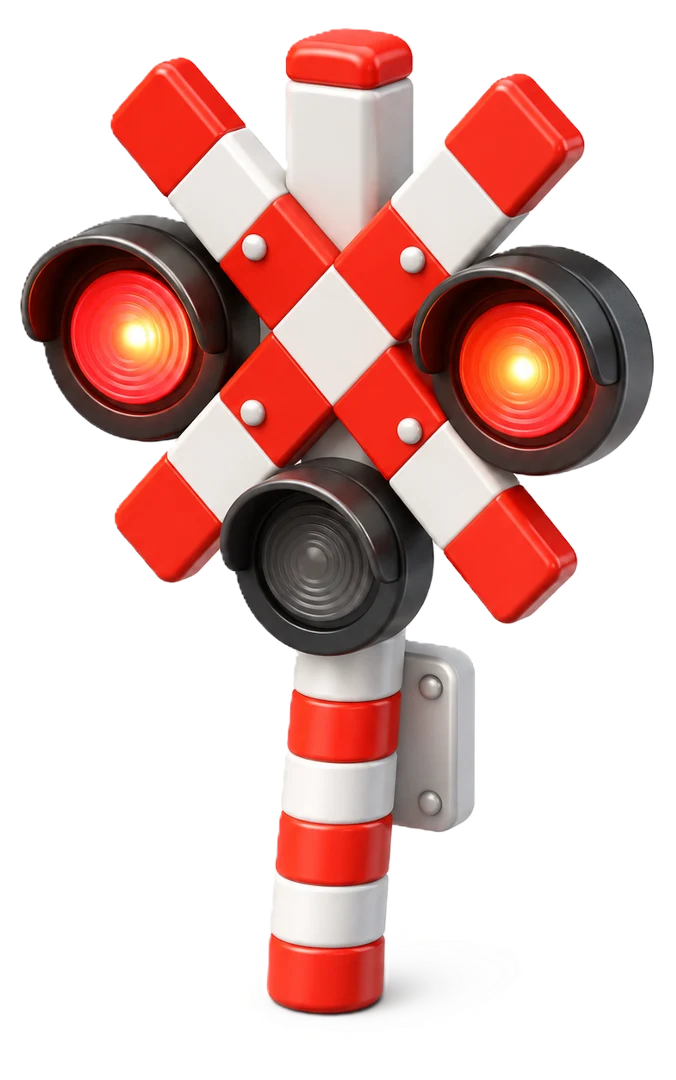
Red flashing light: stop. You mainly see this at level crossings and movable bridges. Wait until the light goes out.
The Signals of the Authorized Officer
An officer directing traffic takes precedence over everything, even over a green light. There are three signals:

Arm raised straight up: everyone stops. Those already in the intersection must clear it as quickly as possible.
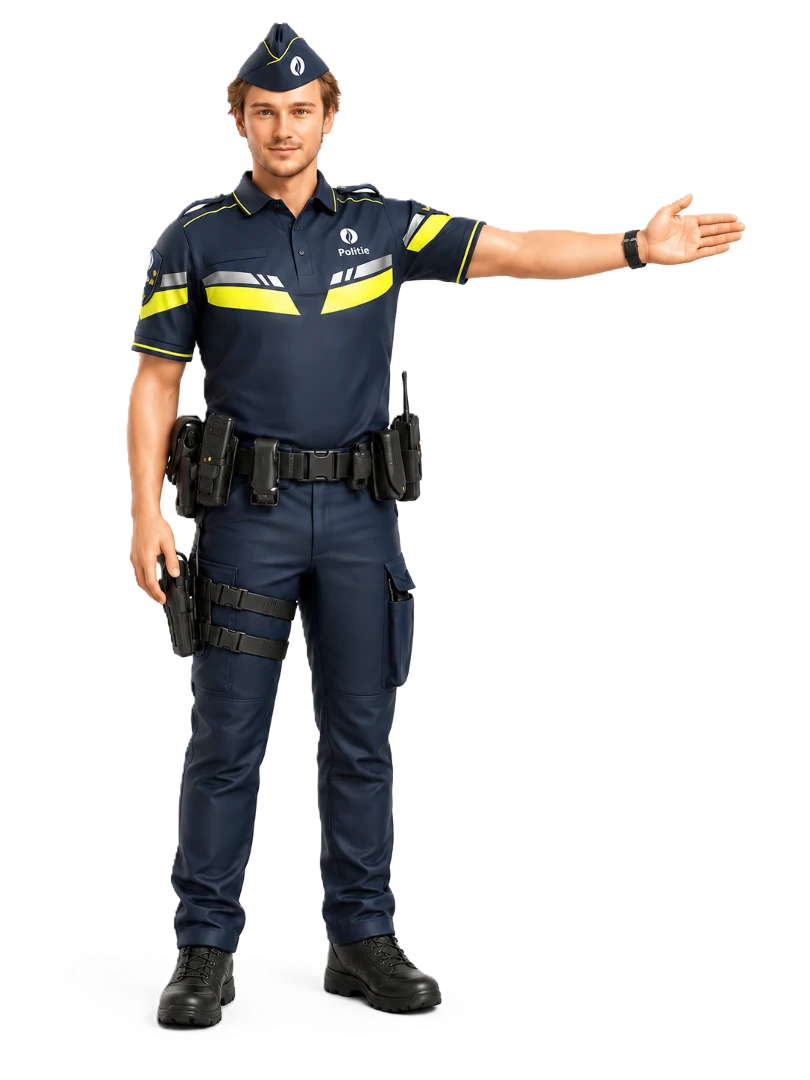
Arm or arms extended horizontally: those who see the officer from the front or back (his stomach or back) must stop. Those who see the side of the officer may proceed.

Waving a red light back and forth: those who see the light directed towards them must stop.
The Hierarchy: Who or What Takes Precedence?
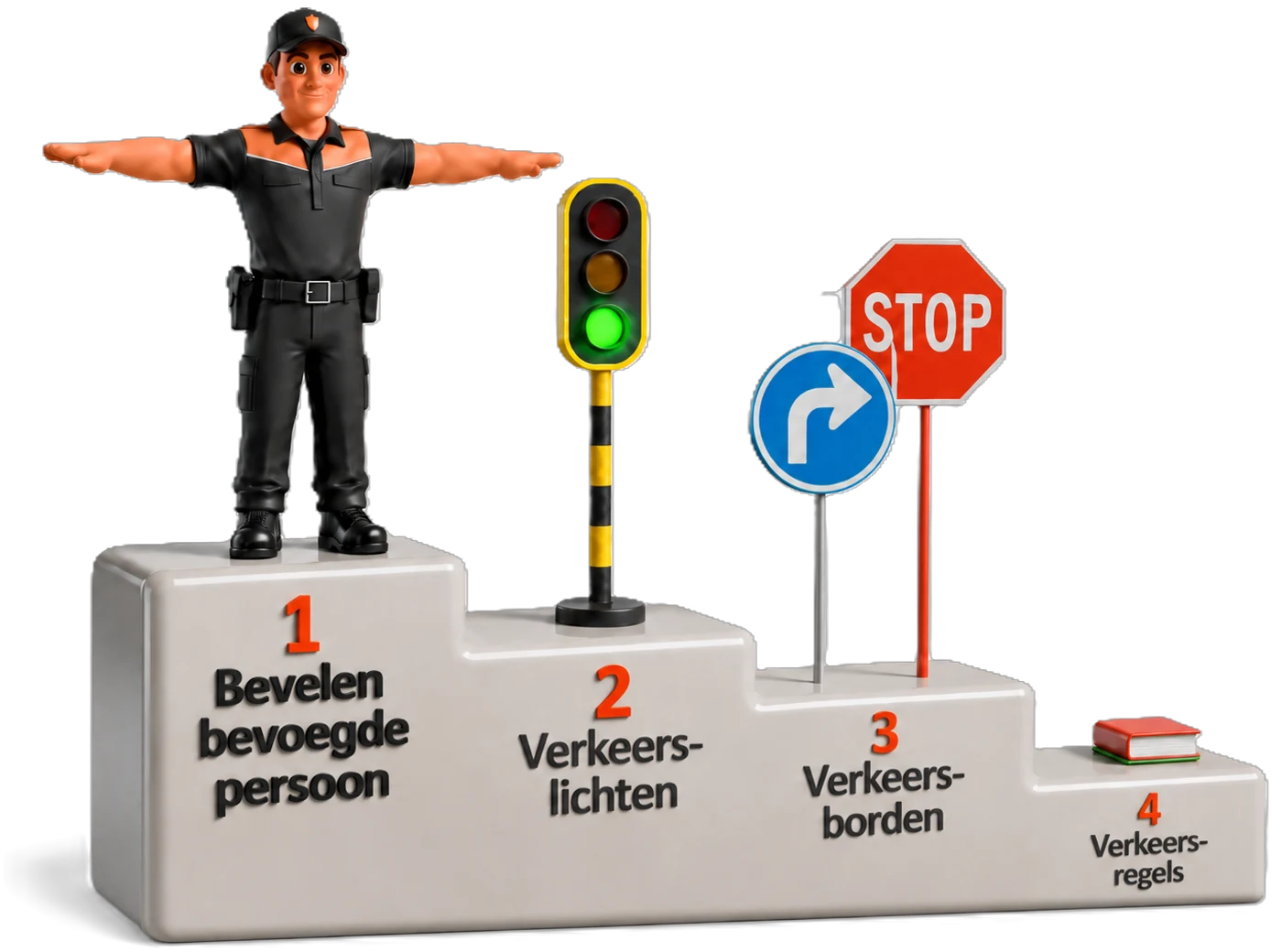
- The commands of an authorized officer.
- The traffic lights.
- The traffic signs and road markings.
- The ordinary traffic rules, such as right of way from the right.
Where traffic lights are in operation, the priority signs on that road no longer apply. Two exceptions: at a flashing amber light, the priority signs still apply, and the bicycle signs B22 and B23 always apply.
Frequently Asked Questions
Stop, unless you are so close that safe braking is no longer possible. Then proceed with caution.
The light does not control traffic. Proceed with caution and the ordinary right of way rules and signs apply.
You stop. The officer always takes precedence over the traffic light.
Master the lights and the signals of the officer
The signals from the officer are serious errors on the exam. Practice them with realistic images until you recognize them immediately.
Choose your packageFurther reading: Priority rules · Traffic signs · All traffic rules
Last updated: June 2026 · Content reviewed by Mathieu, instructor · Source: the Belgian Highway Code